
Blog
Family Office Accounting Services & Multi-Entity Management


Tools with intuitive interfaces, mobile uploads, and simple approvals help non‑finance staff contribute without introducing errors. When you deal with hundreds or thousands of transactions, dashboards and alerts help you respond faster — not just report after the fact. For certified payroll projects, employees must be paid at least the prevailing wage for the work performed.

Difficulties in Consolidation and Reporting
Multi-entity accounting software is invaluable for complex organizations that need to consolidate financial records and reporting across multiple units. A business with multiple entities first needs to make sure they’re all set up properly. This means verifying that their individual financial management systems all adhere to the relevant accounting standards and tax codes they’re subject to, plus any unique operational requirements they may have. It’s better to take care of these configurations before trying to integrate all entities together in one system. Even for high-performing finance teams, managing accounting across multiple entities presents a range of obstacles that slow down operations and introduce risk.
Optimize Reporting and Consolidation Workflows
It is increasingly common among mid-sized and growing organisations operating across regions, managing subsidiaries, or expanding through acquisition. As organisational complexity increases, the effectiveness of multi-entity accounting directly impacts reporting accuracy, close timelines, and decision-making. This guide explains what multi-entity accounting is, why it is increasingly important, the common challenges finance multi entity accounting teams face, and the best practices that support scalable, controlled financial management.
Payroll Clerk
The best approach is not to choose based on company headcount alone—but on operational complexity, which usually scales with size. A 2-person team with one bank account has very different needs from a 40-person business with multiple branches and thousands of monthly transactions. The accounting industry continues to evolve as technology advances and expectations rise. Modern platforms built on automation and AI offer a more sustainable path forward.
- Businesses expand through M&A deals either using a horizontal integration or vertical integration strategy.
- Permissions and audit trails are managed centrally, which helps organizations maintain governance and reduce security risk as their multi-entity setup grows.
- BILL gives you just one platform to automate and manage your business’s finances to improve visibility, efficiency, and control.
- We map processes, standardize dimensions and controls, design automation, and guide change management to help you realize value quickly, and continue improving.
- ➡️ If you run a growing accounting practice, on the other hand, look for platforms that integrate billing with accounting and reporting, even if workflows are still relatively standard.
How to choose the right accounting billing software
Learn more about how the right multi-entity accounting solution can help you make smarter, faster decisions for the future of your organization. Make faster decisions with real-time data and visibility across your portfolio. If you want a solution that combines AI automation with real-time reporting and compliance readiness, tools like ccMonet are built to support next-generation SME accounting. In 2026, the best accounting software for Singapore SMEs is not just a ledger — it’s an insights engine that automates routine work, keeps data clean, and puts real-time financial clarity at your fingertips. A standardized chart of accounts and dimensions ensures consistent financial analysis and reliable consolidated reporting.
- Managing multiple companies requires accurate financial oversight, streamlined consolidations, and consistent reporting across entities.
- To ensure accurate financial reporting, these transactions need to be treated differently from those done between the company and external parties.
- For CPA firms and family offices, this distinction matters because disconnected invoicing tools often require manual reconciliation and increase the risk of inconsistencies in financial statements.
- This is especially true if the units use different accounting software, manage transactions in multiple currencies, or are subject to different accounting standards.
- With multi-entity accounting, your business can view the company’s business processes like accounts payable, global payments, and financial statements at the entity level and for the entire organization.
Multiview provides powerful, easy-to-use financial applications for multi-entity organizations. Whether you want basic consolidation features or want to move toward a single accounting system, we have a solution for you. In addition to these core features, multi-entity accounting software often includes advanced functionalities like budgeting, business forecasting, and integration with other business systems. Multi-entity accounting software helps automate various accounting tasks and provides enhanced reporting capabilities, significantly improving efficiency, accuracy, and compliance. Finally, multi-unit accounting involves managing the financial records for multiple units or branches within a single organization.
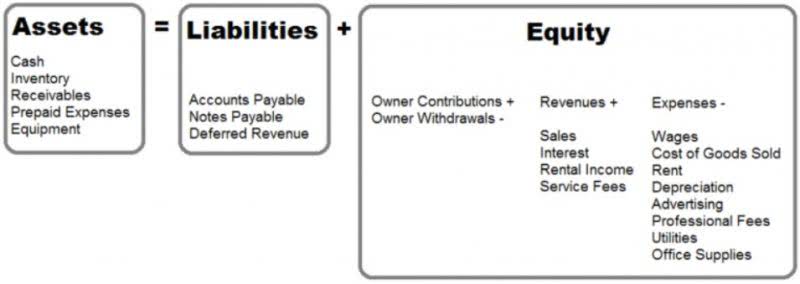
This refers to an entity whose financial activities span multiple periods or terms, like fiscal years or specific project timelines. Since it introduces additional complexity, businesses should track financial data over these particular timeframes to ensure accurate financial reporting and Balancing off Accounts compliance for each period. For teams designing for scale, treat your dimension’s strategy as part of your Business Central accounting software for mid-sized businesses architecture. Plan for future analytics, allocations, and statutory reporting so you don’t have to re-engineer later. Align stakeholders early—finance, FP&A, operations—so the dimensions reflect how the business actually manages performance. Eleven supports this transition by enabling firms to deliver clearer insights and more meaningful advisory services.
- When implemented properly, multi-entity accounting offers advantages you can feel in every aspect of your financial operations and planning.
- A business with multiple entities first needs to make sure they’re all set up properly.
- Without built-in multi-entity or multi-currency capabilities, firms often rely on separate files or spreadsheets, increasing overhead and reducing confidence in reporting.
- This process ensures that the organization is eliminating intercompany transactions and the financial results accurately reflect the organization’s total performance.
- Configure data feeds from each entity’s ledger into the central platform, ensuring all entities can contribute financial data seamlessly.
Automated AR & AP

Its large user base and accountant familiarity reduce onboarding friction, and its cloud-based design supports remote collaboration. These entities may use different currencies or accounting standards, which adds complexity when financial results are consolidated at the group level. However, there are many options available, and each business must select multi-entity accounting software that best aligns with its unique organizational needs, goals, and budget.
- This streamlined approach helps firms standardize workflows, reduce operational friction, and maintain better control over financial information.
- A clear dimension strategy, consistent exchange rate updates, and reconciliations between subsidiaries and the parent are crucial.
- At the same time, it allows your finance teams to consolidate all this data into a single, comprehensive financial report.
- The platforms can automate handling routine tasks like currency conversions, intercompany eliminations, and consolidation calculations with greater speed and accuracy than manual processes.
- Thus, overlooking this type of system creates disparate and siloed sources of financial data within a company, often meaning it’s difficult to gauge how the organization is performing with a high degree of accuracy.
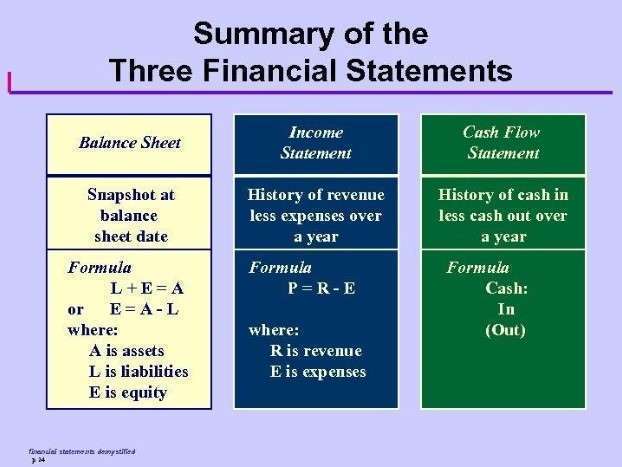
Multi-entity accounting is performing financial work like transaction processing, analysis, and preparing financial statements at the business unit level and consolidating accounting results. With multi-entity accounting, your business can view the company’s business processes like accounts payable, global payments, and financial statements at the entity level and for the entire organization. Brex’s integrated approach particularly benefits organizations struggling with the operational efficiency and compliance challenges inherent to multi-entity structures. During consolidation, the multi-entity platform automatically performs several functions.
Spend management platforms
Still juggling spreadsheets, switching between systems and struggling to keep financial data consistent across multiple entities? It might be time to swap confusion for clarity with smarter multi-entity accounting software. With the right strategies, finance teams can bring order to the complexity and turn multi-entity accounting into a competitive advantage. Here are five proven approaches to streamline operations and set your https://gavilo.co.ao/2025/07/10/debits-vs-credits-a-simple-visual-guide-bench-10/ organization up for scalable success. While multi-entity accounting handles the records of individual entities, the reporting process aligns them into one cohesive view. This requires standardizing charts of accounts, removing intercompany transactions, converting currencies when necessary, and adjusting for local accounting standards.